


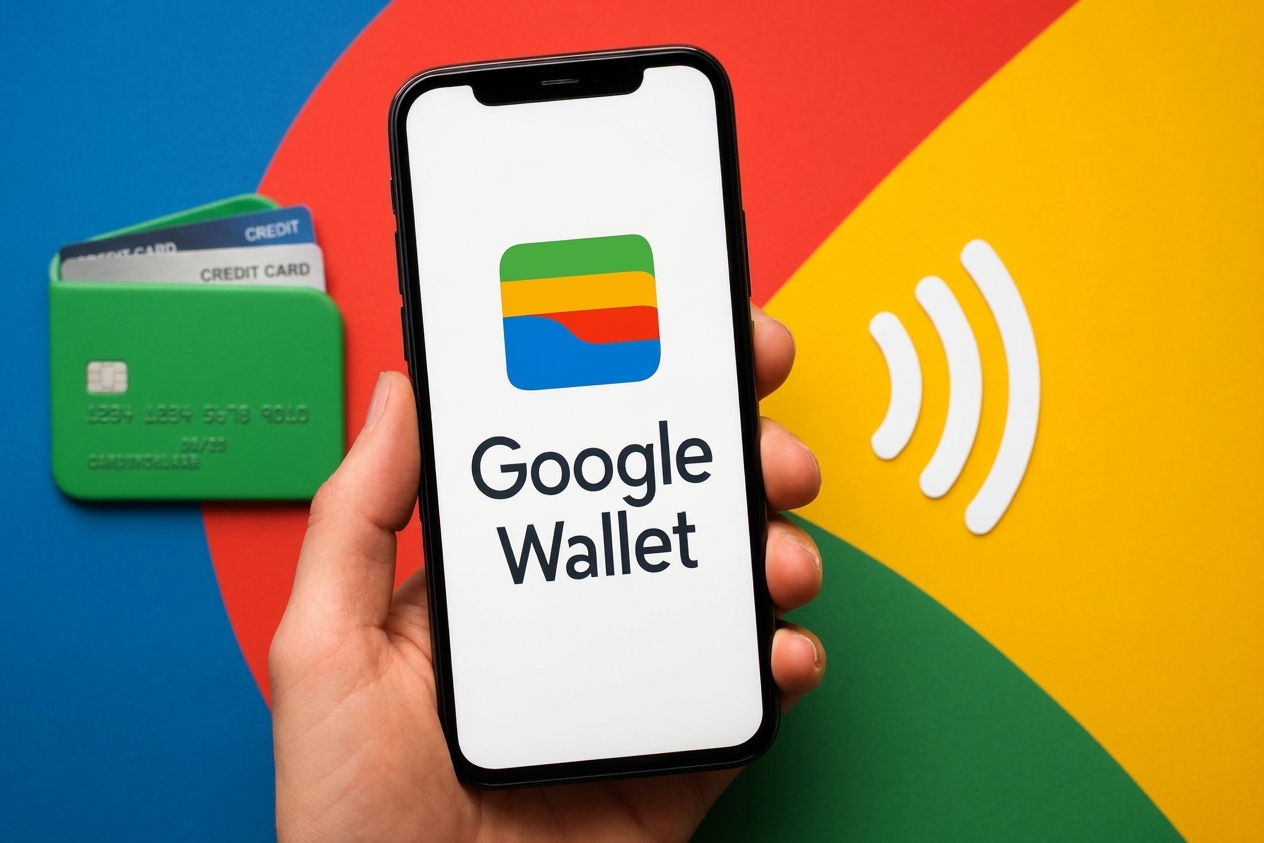
Supported by major payment switching infrastructure like Interswitch, the launch marks a shift in Nigeria’s payment ecosystem, which has historically relied on physical chip-and-PIN point-of-sale machines. But while the technology promises convenience, full adoption depends on hardware compatibility, bank partnerships and regulatory transaction limits.
What Is Google Wallet and How Does It Work in Nigeria?
Google Wallet is a secure digital wallet app for Android smartphones and Wear OS smartwatches. Google Pay is the actual payment protocol operating inside the wallet app.
Instead of passing a physical plastic card to a merchant or typing a 16-digit card number on a website, Google Wallet uses tokenization. The system replaces your actual bank card details with a randomized, encrypted digital token.
When you tap your phone at a physical terminal or select Google Pay at an online checkout, the payment engine sends this secure token to process the transaction. The merchant never sees or stores your actual card number, expiry date or security code.
Which Nigerian Banks and Cards Are Currently Supported?
Not every Nigerian bank or card works with the service at launch. Google wallet support requires institutional integration between the issuing bank, card payment networks like Mastercard or Visa, and Google.
Four primary commercial banks support Google Wallet for Nigerian account holders:
Guaranty Trust Bank (GTBank) supports both Mastercard debit and Mastercard prepaid cards.
Zenith Bank supports Mastercard credit, debit and prepaid cards.
Providus Bank has also appeared on Google’s official support documentation for Mastercard credit, debit and prepaid cards.





Comments0
Sign in to join the conversation
Share your perspectives and engage with other readers.